
Wood Notes
Label inside and outside dimensions on a box sketch
A few clear labels help separate the space a wooden box takes up from the usable space its contents need.
Box PlanningMeasuringSmall Shops
Read article →Wood Notes Blog
A practical content hub for woodworking tips, small repairs, handcraft knacks and occasional company build updates.
A few clear labels help separate the space a wooden box takes up from the usable space its contents need.
Box PlanningMeasuringSmall Shops
Read article →Separate an uneven counter from a crate problem before sanding feet, adding pads or cutting wood.
Crate RepairsRetail DisplaysShop Tips
Read article →A simple time label keeps clamp removal and return-to-use decisions separate during small wooden-box repairs.
Wood GlueCrate RepairsShop Organization
Read article →Smooth the hard-to-reach faces while the parts are still flat, without rounding over the edges that need to fit together.
SandingBox MakingShop Tips
Read article →Use an offcut from the actual plywood sheet to check a divider slot before cutting the parts for a small wooden box.
PlywoodBox DividersShop Tips
Read article →
A quick underside check can catch grit, rough edges and projecting fasteners before a wooden display crate meets a finished counter or table.
Crate CareRetail DisplaysSmall Repairs
Read article →A hand screwdriver gives better feedback for the last turns on small box hinges, helping you seat the hardware without crushing the wood.
Small RepairsHingesHand Tools
Read article →Try a full-size cardboard outline on the counter before cutting wood, and separate the space a crate occupies from the space its contents need.
Retail DisplaysProject PlanningSmall Shop
Read article →After a wet trip or a small clean-water spill, empty the crate, give its underside some air and check the joints before storing it.
Crate CareRetail DisplaysSmall Shop
Read article →Try the actual label on a matching finished offcut before risking a sticky patch or lifted finish on a display crate.
Retail DisplaysCrate CareSmall Shop
Read article →A quick check for dried glue, trapped grit and loose jaw pads can spare a wooden crate an avoidable dent.
Clamp CareCrate RepairsSmall Shop
Read article →A level support, dry spacers and a sensible storage spot help keep thin wooden parts ready for the next round of assembly.
Shop OrganizationWood StorageCrate Parts
Read article →A rubbing wooden lid may need a hinge check, not a smaller edge. Locate the contact, inspect the screws and test the fit before removing wood.
Simple RepairsWooden BoxesHand Tools
Read article →Test hand clearance before fixing display-crate dividers: a product that fits neatly still needs room to be picked up and put back.
Retail DisplaysDisplay CratesShop Planning
Read article →A small pencil cross helps keep the saw cut on the scrap side of the line, rather than stealing length from a replacement crate part.
Hand ToolsMeasuringCrate Repairs
Read article →A corner-to-corner check helps catch a skewed rectangular box while there is still time to adjust the clamps.
Box MakingGlue-UpsMeasuring
Read article →When a screw leaves a gap between a replacement slat and its support, check whether its threads are gripping both pieces.
Crate RepairsScrewsDrilling
Read article →A bent or sticking tape-measure hook can spoil a careful repair. Compare push and pull readings before marking the replacement wood.
MeasuringHand ToolsCrate Repairs
Read article →Check for clogged or worn abrasive before pushing harder on a wooden crate repair. A fresh piece can save effort and protect the shape.
Hand SandingShop HabitsCrate Repairs
Read article →Two straight reference sticks can help reveal a twisted board before you turn it into a replacement crate slat.
Wood SelectionCrate RepairsHandcraft Skills
Read article →Before gluing a wooden crate in a chilly shop, check the product instructions, warm the materials properly and plan where the joint will cure.
Wood GlueCrate RepairsSmall-Shop Skills
Read article →A movable work light helps reveal cross-grain scratches and uneven sanding on bare crate parts before the finish goes on.
Wood FinishingSandingSmall-Shop Skills
Read article →A clean screw recess and a snug-fitting driver bit can save a small crate repair from becoming a stripped-head problem.
Crate RepairsHand ToolsSmall-Shop Skills
Read article →A labeled offcut and a short finish record make future wooden-crate touch-ups less of a guessing game.
Wood FinishingShop OrganizationCrate Care
Read article →A quick flip test on scrap helps you check a try square before using it to mark crate parts or diagnose a crooked corner.
Hand ToolsLayoutCrate Repairs
Read article →A practical small-shop finishing habit: add tiny felt dots or soft pads under display crates so finished counters and crate bottoms both stay cleaner.
Display CratesRetail DisplaysFinishing
Read article →A practical small-shop habit: fold scrap paper or thin card around show corners before a crate leaves the bench so handling marks are easier to avoid.
Display CratesShop HabitsSmall Repairs
Read article →A simple small-shop habit: park freshly wiped or glued crate parts on one labeled strip so faces, edges and order stay clear while they dry.
Shop OrganizationCrate RepairsSmall Wood Jobs
Read article →A simple small-shop habit: take one quick photo before disassembly so slats, handles and dividers return to the right place after cleanup.
Crate RepairsDry FitShop Notes
Read article →A simple shop-organization habit: clamp a narrow scrap rail along the bench edge so screws, plugs and short crate parts stop drifting into the sawdust.
Shop OrganizationCrate RepairsSmall Parts
Read article →A simple small-shop habit: slide wax paper under crate corners, trays or divider repairs before gluing so cleanup stays calm and the work lifts free.
Glue UpsShop TipsCrate Repairs
Read article →A practical retail-display habit: tuck one simple paper story strip into a wooden crate so shoppers understand what belongs there and why it matters.
Retail DisplaysSmall ShopCrate Ideas
Read article →A simple layout habit for small wooden crates: clamp one straight scrap as a fence before drilling label-plate or handle holes so the row stays tidy.
LayoutCrate RepairsSmall Shop
Read article →A simple small-shop sanding habit: make a quick scrap cradle so narrow crate rails stay steady without rounding over the edges you meant to keep crisp.
SandingCrate RepairsSmall Shop
Read article →A simple small-shop clamping habit: mark light pencil parking lines so scrap pads stay under clamp jaws and protect crate faces during glue-ups or repairs.
ClampingCrate RepairsSmall Shop
Read article →A simple stop-block habit for small shops: use one squared scrap to keep replacement crate handles, pulls and label plates aligned from box to box.
Crate RepairsShop TipsHand Tools
Read article →A simple small-shop sorting habit: use a muffin tin or shallow divided tray to keep screws, washers and tiny crate hardware from wandering mid-repair.
Shop OrganizationCrate RepairsHardware
Read article →A simple small-shop habit for wooden crates: clamp a scrap backer behind thin label rails before drilling or driving small screws.
Crate RepairsLabelsSmall-Shop Tips
Read article →A simple layout habit for small display crates: use one clean cardboard spacer to keep repeated gaps consistent while parts are marked, drilled or dry-fit.
Retail DisplayCrate LayoutSmall-Shop Tips
Read article →A practical small-shop fitting tip: ease the hidden edges of thin crate dividers so dry-fit, sanding and final assembly feel less grabby.
Crate DividersHand SandingSmall-Shop Tips
Read article →A simple small-shop drilling helper: hold a thin crate rail against a scrap wedge so the bit starts square and the part does not chatter on the bench.
Crate RepairsDrilling TipsShop Jigs
Read article →A small-shop orientation habit: mark a light pencil arrow on matching crate slats before sanding, drilling or dry-fit so the good face and grain direction stay organized.
Crate SlatsLayout MarksSmall-Shop Tips
Read article →A simple small-shop trick: add a folded masking-tape pull tab to tight crate dividers during dry-fit so they can be lifted out without prying at the edges.
Dry FitCrate DividersSmall-Shop Tips
Read article →A simple small-shop counting habit: add light pencil tally marks to batch rails, slats and dividers so matching crate parts do not drift out of count.
Shop OrganizationCrate PartsSmall Batch Work
Read article →A practical small-shop trick: use a strip of painter tape as a temporary hinge while checking lid swing, reveal and hardware placement on a small crate.
Crate HardwareSmall RepairsShop Tips
Read article →A simple small-shop sorting habit: band matching crate slats, rails and dividers together so dry-fit work does not turn into a guessing game.
Shop OrganizationCrate RepairsSmall Batch Work
Read article →A practical small-shop layout habit: use one marked card to keep labels, tags and small hardware clear of corners that rub during handling.
Shop HabitsRetail DisplayCrate Repairs
Read article →A simple small-shop check: pull folded paper through handle cutouts and crate openings to find sharp spots before the box reaches a shelf or counter.
Crate RepairsFinishingShop Habits
Read article →A practical small-shop habit: sweep the bench and crate corners before final sanding or finish so loose grit does not leave surprise scratches.
Shop OrganizationFinishingCrate Repairs
Read article →A simple small-shop clamping habit: keep cork-faced pads at the bench so finished crate faces, lids and display parts do not pick up clamp dents.
ClampingCrate RepairsSmall Shop
Read article →A practical small-shop setup trick: use one marked scrap block to start handle, hinge and corner screws straight before the hardware shifts.
HardwareCrate RepairsSmall Shop
Read article →A small-shop habit for crate repairs and display work: keep the pencil, sandpaper, driver bit and rag in one pocket apron so touch-ups stay close.
Shop OrganizationCrate RepairsSmall Shop
Read article →A simple small-shop depth stop: wrap a tape flag around the drill bit so crate pilot holes stay consistent without punching through show faces.
Drilling TipsCrate RepairsSmall Shop
Read article →A quiet layout trick for small hinged crate lids: mark a light pencil shadow line before fastening so the lid lands square without repeated guessing.
Crate RepairsLayout TricksSmall Shop
Read article →A simple small-shop fix for light display crates and shallow shelves: add a hidden scrap cleat so the box stays square under handling.
Display CratesShop HabitsWood Repairs
Read article →A simple sanding habit for small crate repairs: write the grit sequence on a scrap or tape flag so every handled edge gets the same attention.
SandingShop HabitsCrate Repairs
Read article →A simple finishing check for small crates and shop projects: wipe edges with a dry rag before finish so snags and sharp spots show up early.
FinishingSandingShop Habits
Read article →A simple small-shop check before final assembly: test the countersink on scrap so screw heads sit cleanly without chewing up the crate face.
ScrewsCrate RepairShop Habits
Read article →A practical small-shop habit for angled trim, display props and crate repairs: set one sliding bevel once, then use it as the reference until the job is done.
LayoutShop HabitsCrate Repair
Read article →A simple layout habit for small wooden crates: use a washer as a repeatable guide before drilling rope-handle or finger-pull holes.
LayoutHandlesCrate Repair
Read article →A practical small-shop layout habit: clamp one straight scrap as a ledger before marking hinges, hasps or handle plates on small wooden lids.
LayoutHardwareSmall Shop
Read article →A simple layout habit for crate repairs and small builds: mark screw paths with a wax pencil so the line survives handling but wipes away after assembly.
LayoutCrate RepairsShop Habits
Read article →A practical small-shop habit for wooden crates: ease handle edges before finish so the piece feels better and wears more kindly.
Crate RepairsFinishingShop Habits
Read article →A simple small-shop drilling and fastening habit: hold a sacrificial backer strip behind thin crate slats so exit holes stay cleaner.
Crate RepairsDrillingShop Habits
Read article →A simple small-shop glue-up habit: notch a scrap spreader so thin crate slats and repair strips get a light, even glue film without puddles.
Glue-upShop HabitsCrate Repairs
Read article →A simple measuring stick for crate dividers and small display boxes: mark the spaces once, test the fit, then use the same stick for the whole batch.
Shop HabitsCrate DividersMeasuring
Read article →A quick small-shop check for crate repairs and display boxes: shade the corner lightly with pencil, sand the high spots, and stop before the edges lose their shape.
Shop HabitsCrate RepairsFinishing
Read article →A practical small-shop clamping habit for crate repairs and display boxes: use one flat caul to spread pressure and keep thin rails sitting flush.
Shop HabitsCrate RepairsClamping
Read article →A simple small-shop habit for crate repairs and display pieces: use one marked sanding block to soften edges evenly without rounding away the character.
Shop HabitsCrate RepairsSanding
Read article →A practical repair habit for loose crate handles and tired corner blocks: test a small dowel plug before driving a screw back into a worn hole.
Crate RepairsHardwareSmall-Shop Habits
Read article →A simple layout habit for small crates, trays and display boxes: make one pencil tick mark before fastening feet or corner pads so the piece sits square.
Crate RepairsLayoutSmall-Shop Habits
Read article →A practical small-shop organization note: use one simple magnetic strip to keep bits, drivers and marking tools close during crate repairs and small wood jobs.
Shop OrganizationCrate RepairsSmall Tools
Read article →A practical display-shop note: use a simple scrap-wood riser to test crate height, sightlines and wobble before committing to a counter or shelf layout.
Retail DisplaySmall ShopWood Crates
Read article →A simple small-shop habit for repairs and small batches: mark loose slats, rails and hardware with temporary blue-tape labels before the bench gets busy.
Small ShopCrate RepairsShop Organization
Read article →A simple small-shop habit for crate repairs and quick glue-ups: give the glue cap, brush and rag fixed places before the bottle opens.
Glue-UpSmall ShopCrate Repair
Read article →A practical small-shop habit: clear, group and test the bench before a batch of crate parts turns into a pile of look-alikes.
Small ShopCrate MakingShop Organization
Read article →A practical bench habit for crate repairs: separate saved hardware from new replacement parts before the job starts to wander.
Crate RepairShop OrganizationSmall Shop
Read article →A simple small-shop habit: tape a tiny screw reference card near the bench so crate repairs start with the right fastener, pilot bit and driver tip.
Crate RepairHardwareSmall Shop
Read article →A practical small-shop habit: test screw length, pilot hole and countersink depth on one scrap block before fastening crate corners.
Crate RepairScrewsSmall Shop
Read article →A simple small-shop habit: test stain, oil or clear coat on one matching scrap before finishing a crate, tray or display piece.
FinishingSmall ShopWoodworking Tips
Read article →A simple dry-fit trick for small boxes and display crates: use a strip of masking tape as a temporary hinge before marking hardware holes.
Crate RepairsSmall BoxesWoodworking Tips
Read article →A simple small-shop setup: park common drill bits, countersinks and driver tips in one labeled scrap block before starting a crate repair.
Crate RepairsShop OrganizationWoodworking Tips
Read article →A simple small-shop clamping habit: keep a few soft pads near the bench so repaired crate faces stay clean while glue or fasteners settle.
Crate RepairsShop HabitsWoodworking Tips
Read article →A simple retail-display habit: use one marked scrap stop so small crates, trays and risers line up before the counter gets busy.
Retail DisplayShop HabitsCrate Tips
Read article →A practical small-shop habit: gather rags, brushes, gloves and sample boards in one shallow tote before finishing crate parts.
Shop OrganizationFinishingCrate Repairs
Read article →A simple layout trick for small wooden crates: use one square cardboard shim to place labels, handles and dividers consistently.
LayoutCrate RepairsShop Habits
Read article →A practical small-shop sanding habit: number matching slats, rails and dividers so parts return to the same place after cleanup.
SandingShop OrganizationCrate Parts
Read article →A calm small-shop glue-up habit: mark where clamps, pads and cauls will sit before the glue bottle is open.
Glue-UpsClampingShop Organization
Read article →A small-shop organization trick: line up screws, washers and handle parts on a labeled strip before a crate repair turns into a hardware hunt.
Crate RepairsHardwareShop Organization
Read article →A practical small-shop habit: use one marked scrap spacer to keep crate dividers and retail-display slots consistent before fastening.
Crate DividersLayoutShop Tips
Read article →A simple bench habit for small batches: mark one reference line so crate slats, dividers and display pieces get the same sanding attention.
SandingShop OrganizationSmall Shop
Read article →A simple small-shop habit for handles, screws and corner pieces: park every loose crate-repair part in one shallow tray before the bench gets busy.
Shop OrganizationCrate RepairsSmall Shop
Read article →A small-shop cutting aid for short crate slats and trim: use a bench hook to hold the work steady before reaching for clamps.
Hand ToolsShop SafetyCrate Repairs
Read article →A simple sorting habit for small wood scraps: label one offcut basket so useful pieces are easy to find before the next crate repair.
Shop OrganizationOffcutsSmall Shop
Read article →A small-shop tip for easier hand driving: touch screws to a bit of wax before fastening dry crate corners or display fixtures.
ScrewsCrate RepairsShop Tips
Read article →A simple bench habit for cleaner glue work: keep a cheap brush, damp rag and scrap tray together before opening the bottle.
GlueCrate RepairsShop Organization
Read article →A simple masking-tape depth flag helps small crate repairs get clean pilot holes without drilling through the show face.
Crate RepairsPilot HolesShop Tips
Read article →A simple small-shop habit: use one square offcut as a quick reference when checking crate corners, dividers and handle blocks.
Crate RepairsShop TipsLayout
Read article →A practical retail-display habit: pair a wooden crate with one clear card that explains what to notice, touch or ask about.
Retail DisplaysWooden CratesShop Tips
Read article →A small-shop habit for cutting matching slats, dividers or display parts without measuring every piece from scratch.
Shop TipsLayoutCrate Building
Read article →A simple pencil-mark habit for putting crate slats, dividers and handle blocks back where they fit best.
Crate RepairsLayoutShop Tips
Read article →A simple scrap-wood test block for choosing drill bits and screws before repairing crate slats or handle blocks.
Crate RepairsPilot HolesShop Tips
Read article →A simple spacer-board habit for placing crate handles evenly before drilling new pilot holes.
Crate RepairsHandlesShop Tips
Read article →A simple timing habit for cleaning glue lines on crate repairs before they turn into hard ridges.
Crate RepairsGlueShop Tips
Read article →A small-shop sanding routine for smoothing crate repairs without rounding every crisp edge away.
Crate RepairsSandingShop Tips
Read article →A simple way to hold replacement crate slats in line before drilling, fastening or gluing them into place.
Crate RepairsSlatsShop Tips
Read article →A practical way to mark, fit and fasten a simple wooden divider so a crate stays useful instead of awkward.
Crate RepairsLayoutSmall Shop
Read article →A quick small-shop checklist for catching loose corners, split slats and tired fasteners before a wooden crate gets reused.
Crate RepairsShop ChecksReusable Packaging
Read article →How to sort useful wood offcuts without letting scraps take over a small shop.
Shop OrganizationOffcutsSmall Shop
Read article →A practical small-shop checklist for matching screws, pilot holes and glue to everyday wooden crate repairs.
RepairsFastenersShop Notes
Read article →
Reusable wood packaging, branding and old-fashioned crates in modern storefronts.
WoodworkingSmall BusinessPackaging
Read article →
Diagnose loose handles, choose fasteners and plug/re-drill worn holes.
FixesHandcraftShop Notes
Read article →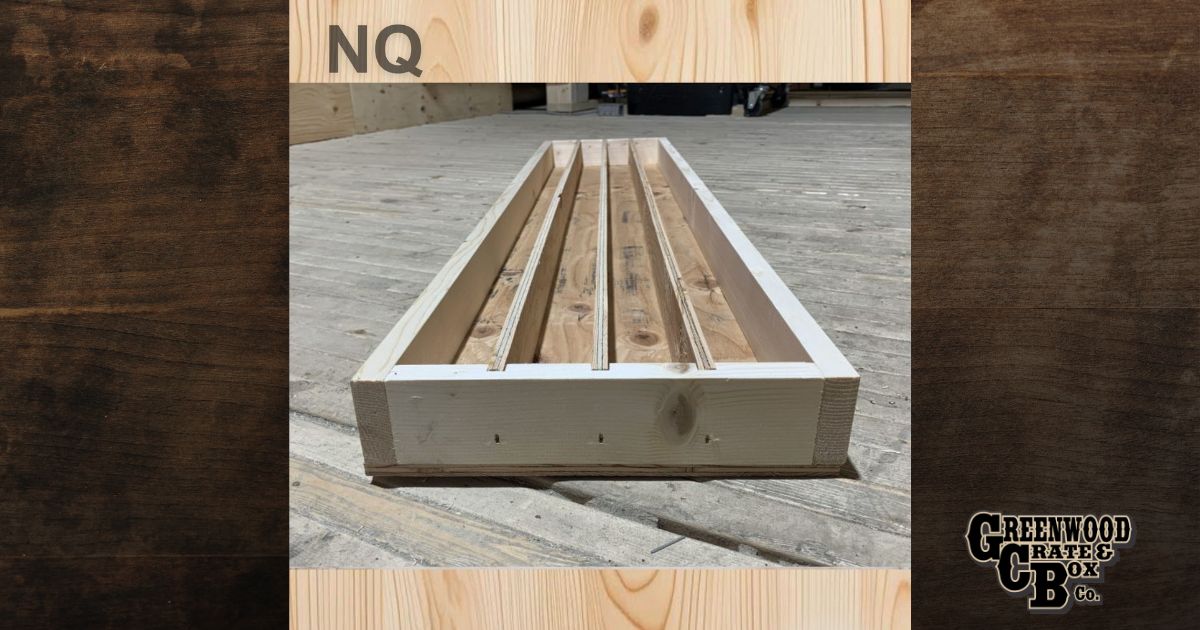
Why wood core boxes matter in geology and exploration programs.
MiningCore BoxesB.C. Resources
Read article →